Photography in the age of artificial intelligence
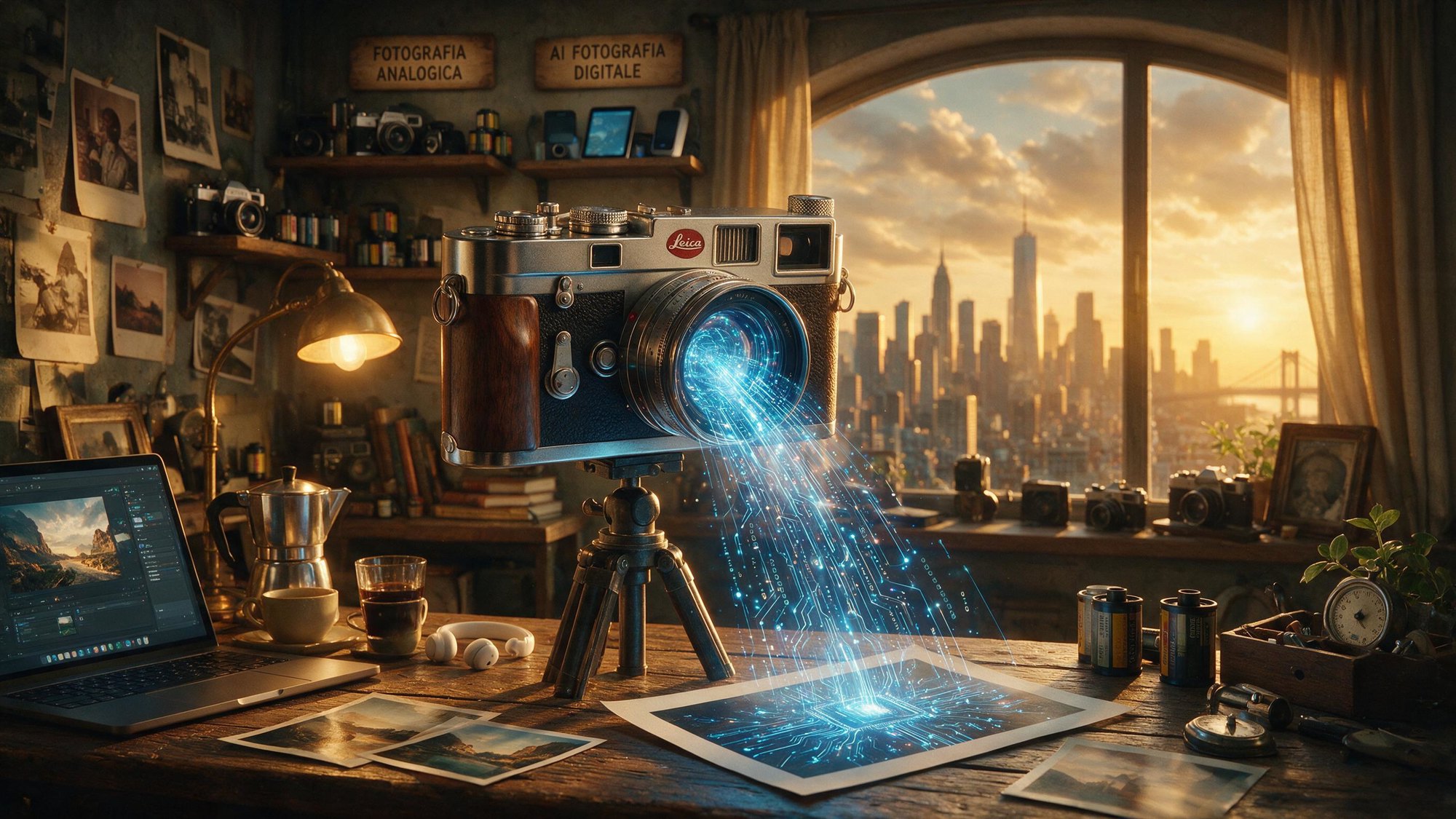
The thinning border
I cannot hide that the advent of artificial intelligence has raised uncomfortable questions for me. For years, I believed in photography as a document, as proof of an instant captured by my lens. Today, that certainty wavers. Not because the camera has changed, but because what can be created or modified has become almost limitless.
Tool or substitute?
I see colleagues using generative software to complete compositions, remove distractions, or create impossible scenarios. Some do it with ease, others with performance anxiety. My reaction is not total rejection, but caution. AI can certainly speed up the workflow, but it risks emptying the intentionality of the shot. When everything is possible, nothing is exceptional anymore.
The search for truth
Perhaps the value of traditional photography lies precisely in its resistance. In having to wait for the right light, in physically positioning oneself in that specific place, in capturing human imperfection. The algorithm has no body, no presence. And I find comfort in this physical limitation, in this real encounter with the world.
Toward a new language
I am not ignorant of the fact that the world is changing. New technologies offer powerful tools for editing, organization, and even visual discovery. My goal is not to resist change at all costs, but to consciously choose which tools to integrate into my creative process, keeping my authorial voice intact.
Conclusion
In the end, photography remains an act of choice. Whether one uses AI or works solely with the sensor, what matters is what we decide to show and why. Technology changes, but human curiosity does not.
Back to the blog